Bilingual Hotel & Travel Website Design in Japan

Bilingual Hotel & Travel Website Design in Japan

Written for international guests, not translated.
Skydea designs websites, apps and brands for hotels, ryokan and travel companies that work in more than one language: accommodation in Japan with international guests, and travel brands entering the Japanese market. Every site is bilingual from the start, built around the booking, and handed over so your own team can run it.
Book a 30-minute site review
Isthisyou?
Most bookings come through OTAs, and the commission hurts.
The bookings are real, but the margin, the guest data and the relationship all stay with the platform.

The English site is a translation of the Japanese one, and it does not rank.
It answers the questions Japanese guests ask and skips the ones international guests actually have.
Every change to the site goes through an agency.
A new rate, a seasonal page or a swapped photo takes a week and an invoice.
Guests who find you on a booking platform rarely visit your own site. The ones who do often can’t work out how to book, or land on English that reads like a translation, and go back to the listing that charges you commission.
We design the site as your booking channel, write each language properly, and hand it over so your team can update a rate, a photo or a seasonal page the same day.
Book a 30-minute site review
  • Hotel and travel website design
  • Bilingual and multilingual websites
  • Booking flow and CTA design
  • Search migration for redesigns
  • Travel app and product design
  • Brand identity and naming
  • CMS setup and team training
  • Keyword research per language
  • Structured data and technical SEO
Whyabilingualtravelteam
Hospitality agencies abroad can’t cover the Japanese side. Japanese web companies can build a hotel site, but the English version usually arrives as a translation. Our team writes and builds in both languages, from one brief, in the same studio.
Writtenineachlanguage,nottranslated
English and Japanese are written separately from the same brief, by native speakers of each. International guests need different information from Japanese guests, so each version gets its own pages and its own copy.
Bookingisthepointofthesite
The main journey runs from landing on the site to a confirmed booking, not to a contact form. Rates, rooms and availability come first, and the brand is built around them.
Aredesignthatkeepsitssearchtraffic
Before launch, every existing URL is mapped to its new home and the pages that earn search traffic are kept intact. A redesign should add rankings, not reset them.
Howwework
Six steps, from research to handover.
Keywordresearchbeforedesign
We find out what guests actually search for in each language, including markets beyond English, before deciding which pages to build.
Pagestructurefromrealsearches
The sitemap follows how people look for a stay or a product, not how the company is organised internally.
Copywrittenperlanguage
Japanese and English are drafted separately from a shared brief. Nothing gets translated and touched up.
Bookingpathdesignedfirst
Rates, rooms, availability and the handoff to your booking engine are designed and tested on a phone before the visual design is finished.
Migrationmappedbeforelaunch
For redesigns, we list every existing URL, set the redirects, and check rankings for the pages that matter before and after launch.
Handoveryourteamcanuse
A CMS your staff can edit, a written guide and a training session. Changing a photo shouldn’t need an agency.
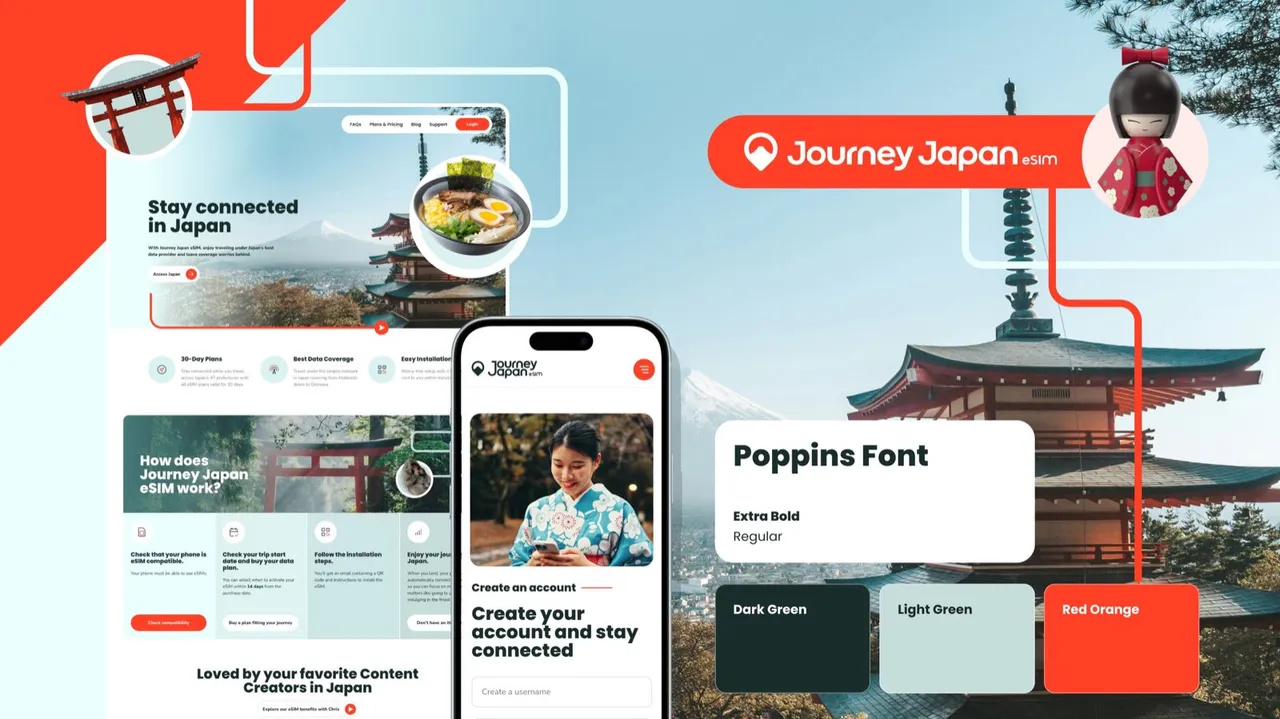
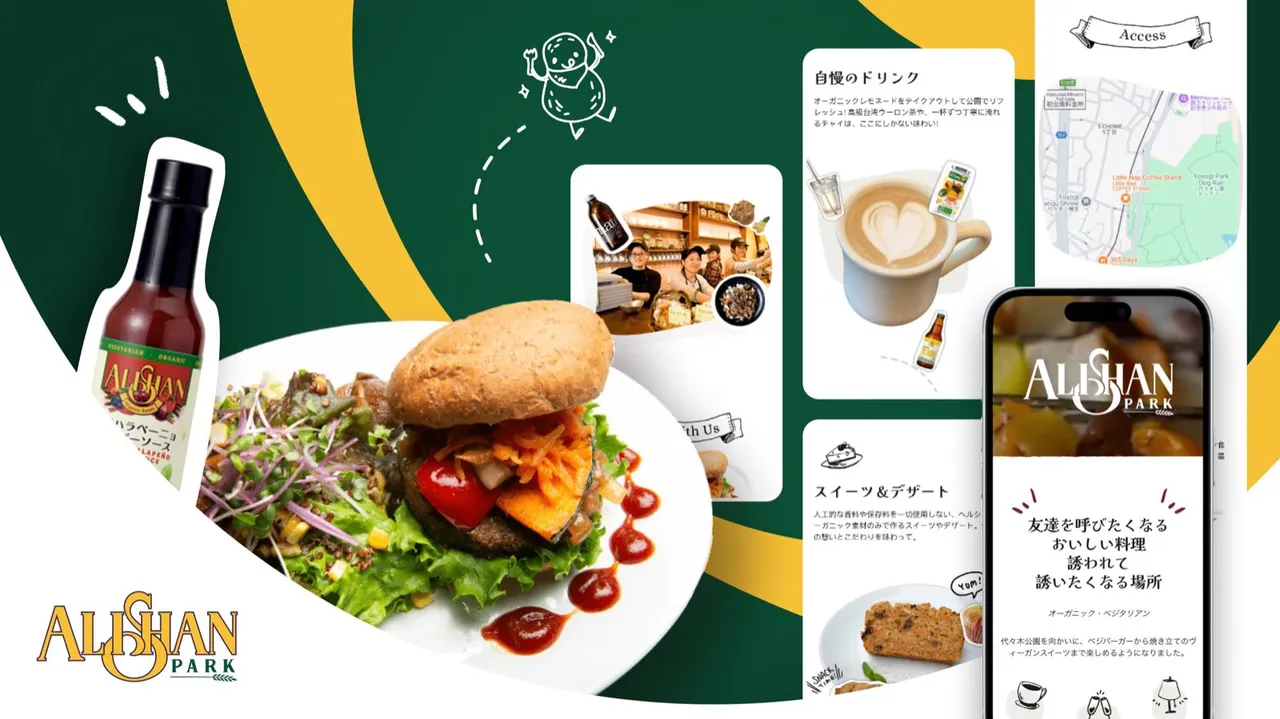
Travelandhospitalitywork
All work
Thepracticaldetails
  • A Tokyo team working in English and Japanese, in business since 2018, with more than 60 organisations served.
  • A standard accommodation website takes eight to twelve weeks. Branding alongside it can extend that to sixteen.
  • You see first-round pages in week one or two. A proposal follows three to five business days after the first call.
  • Every project is quoted as a fixed price after a free scoping call. No hourly billing.
  • Sites are handed over with a CMS your team can edit, a written guide and training. Ongoing support is optional.
  • Bilingual is the default. Extra languages are added when search demand and booking data justify them.
Twolanguages,oneclearpathtothebooking.
FAQs
A separate English version, written for English-speaking guests, on the same domain. A straight translation keeps the Japanese page structure, which answers questions foreign guests are not asking and skips the ones they are: how to get there from the airport, what a ryokan dinner involves, whether tattoos are allowed in the bath, how cancellation works. We write both languages from one brief so each one reads as native, then link them with hreflang so search engines show the right version to the right guest.